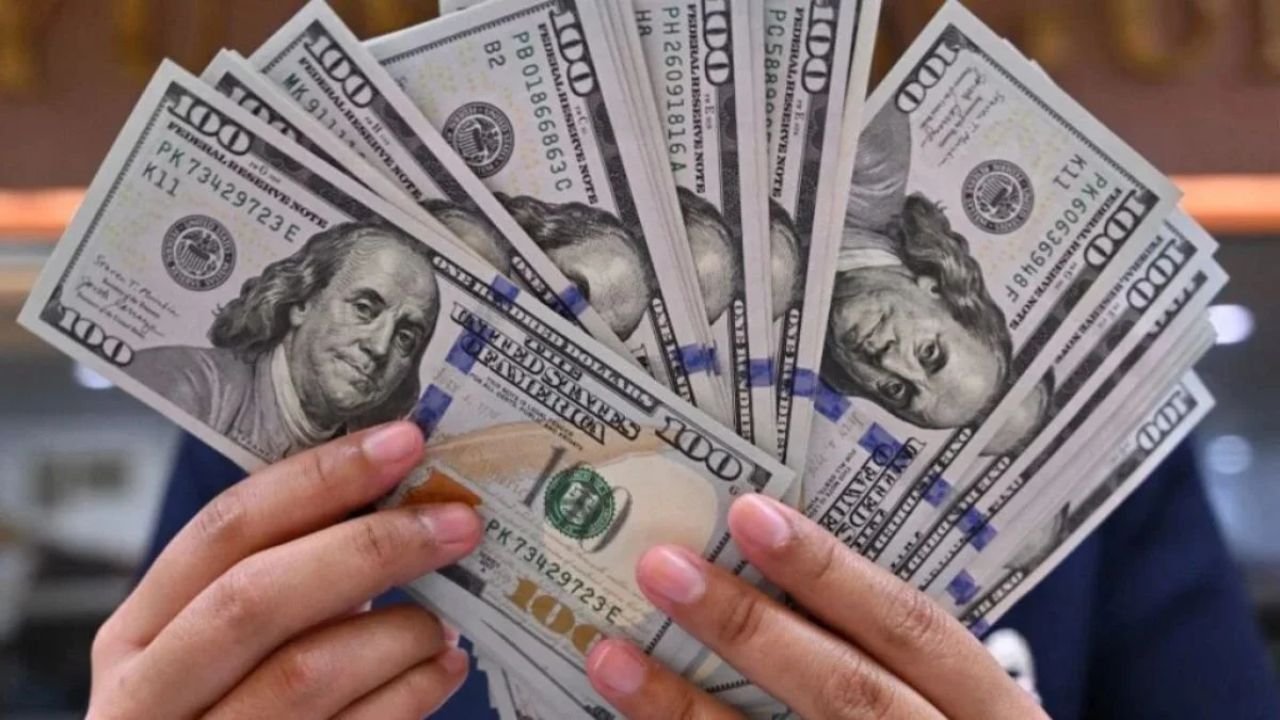
A new wave of online discussions has brought renewed attention to a possible $2,000 direct deposit for Americans. Posts circulating across social platforms suggest that a government relief payment could arrive soon, leading many households to wonder whether a new stimulus is actually on the way.
At the moment, there is no confirmed nationwide payment of $2,000. Any federal relief payment must first be approved through legislation and then formally announced by agencies such as the Internal Revenue Service or the U.S. Department of the Treasury. Until that happens, the reports being shared online should be treated as discussions or proposals rather than a finalized program.
Why the $2,000 Payment Is Being Discussed

The idea of a new direct deposit stems largely from past government stimulus programs. During the pandemic, multiple relief packages were approved to help households manage rising costs and economic uncertainty.
Those payments proved to be a critical financial lifeline for millions of families. Because of that precedent, similar proposals often resurface whenever inflation, economic pressure, or financial instability becomes a major concern.
However, discussions alone do not guarantee that a payment will happen. A proposal must go through Congress, receive approval, and then be formally implemented by federal agencies before any funds are distributed.
Possible Eligibility Criteria

If a $2,000 relief payment were ever authorized, eligibility would likely follow guidelines similar to previous stimulus programs.
Historically, these payments targeted individuals and families with moderate or limited income levels. Eligibility is often determined using tax records and other federal identification requirements.
Factors That Could Determine Eligibility
| Eligibility Factor | Why It Matters |
|---|---|
| Income limits | Payments may be reduced or phased out for higher earners |
| Tax filing status | Determines household eligibility and payment amount |
| Valid Social Security number | Required to verify identity and eligibility |
| Citizenship or residency status | Typically limited to U.S. citizens or qualifying residents |
| Dependents information | Families with dependents may qualify for additional support |
Low- and middle-income households typically receive the highest priority under such programs, while higher-income individuals may see reduced payments or may not qualify.
How Payments Would Likely Be Sent

If the government approves a new direct deposit program, payments would most likely be distributed using methods already established during previous stimulus programs.
Common Payment Methods
Direct Deposit:
The fastest and most common method. Funds are transferred directly to a taxpayer’s bank account based on information from their most recent tax return.
Paper Checks:
For individuals without direct deposit information on file, the government may send a mailed check.
Prepaid Debit Cards:
Some recipients could receive government-issued debit cards loaded with the payment amount.
Direct deposit typically arrives first, while mailed payments may take longer due to processing and postal delivery times.
Rising Scam Risks Around Payment News
Whenever rumors of government payments spread online, scammers often try to take advantage of the situation.
Fraudulent emails, text messages, and phone calls may claim that individuals must provide personal details to receive a payment. These messages often request banking information, Social Security numbers, or account passwords.
Government agencies do not ask for sensitive financial details through unsolicited messages. The safest way to verify any payment announcement is through official government websites or trusted financial updates.
What Americans Should Do Right Now
For now, the most practical step is staying informed through reliable sources. If a new stimulus payment is approved, the government will issue clear guidance explaining eligibility, payment timelines, and distribution methods.
Keeping tax records updated, filing returns on time, and maintaining accurate banking information can help ensure faster delivery if future payments are authorized.
The Bottom Line
Talk of a $2,000 direct deposit has generated widespread interest, but there is currently no confirmed federal program delivering such a payment. Any official relief package would require legislative approval and a formal announcement from federal agencies before funds begin reaching households.
Until then, Americans should rely on verified updates and remain cautious about viral claims or suspicious messages promising immediate payments.