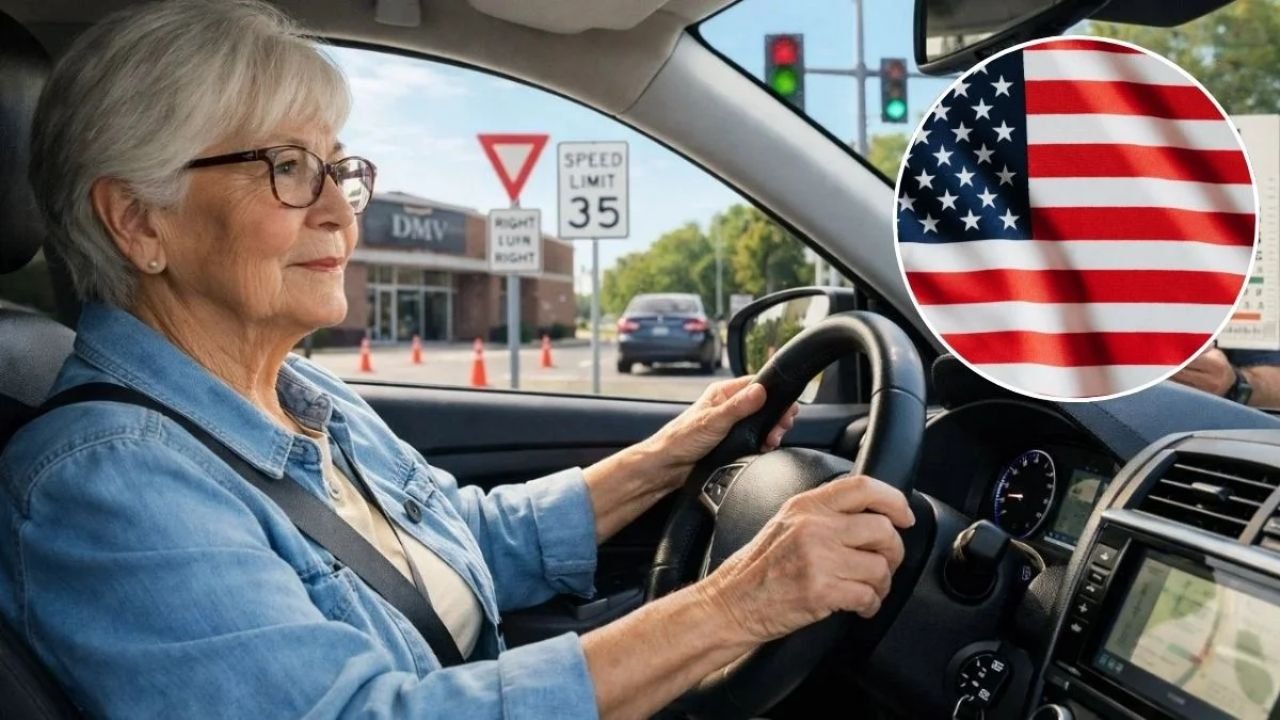
Across the United States, driving regulations are evolving as the number of older drivers continues to grow. New licensing updates affecting motorists aged 70 and above are drawing nationwide attention, with several states preparing to introduce stricter renewal procedures and additional safety checks.
Transportation officials say the goal is to balance road safety with personal independence. With more Americans staying active and driving well into their later years, regulators are adjusting the license renewal process to better monitor age-related changes that may affect driving ability.

These updates will primarily impact how senior drivers renew their licenses and what evaluations may be required during the process.
Why Driving Rules for Seniors Are Being Updated
The United States has seen a steady rise in drivers over the age of 70. Longer life expectancy and improved health have allowed many older adults to remain behind the wheel longer than previous generations.
According to regulators such as the American Association of Motor Vehicle Administrators and various state divisions of the Department of Motor Vehicles, updated licensing rules are intended to help identify potential safety concerns earlier while allowing capable drivers to continue operating vehicles safely.

Officials emphasize that the changes are not designed to automatically remove older drivers from the road.
Shorter License Renewal Cycles
One of the most noticeable adjustments involves how frequently seniors must renew their licenses.
Instead of long multi-year renewals, drivers over 70 may be required to renew their licenses more often depending on the state.
| Requirement Area | Previous Practice | Updated Approach for Seniors |
|---|---|---|
| License Renewal | Multi-year renewal periods | Shorter renewal cycles |
| Renewal Method | Online or mail options available | In-person renewal more common |
| Vision Screening | Sometimes optional | Often required during renewal |
| Additional Testing | Rarely required | Possible depending on evaluation |

These shorter renewal intervals allow authorities to periodically confirm that drivers maintain the vision, reaction time, and cognitive awareness necessary for safe driving.
In-Person Vision and Cognitive Screening
Why In-Person Renewals Are Increasing
Many states are shifting toward in-person renewals for older drivers. This change ensures that applicants can complete basic screening tests during the process.
Vision checks help confirm that drivers can clearly read road signs, recognize hazards, and maintain safe awareness of surrounding traffic.
Cognitive screening may also be introduced in certain jurisdictions. These evaluations are designed to identify potential memory or reaction-time issues that could affect driving performance.
Medical experts widely support routine screenings because they can detect problems early.
When a Road Test May Be Required
Conditional Driving Evaluations
Most senior drivers will not be asked to retake a full driving test. However, licensing officials may request a behind-the-wheel evaluation in certain circumstances.
A road test could be required if:
- Vision screening reveals potential concerns
- Cognitive assessments indicate possible limitations
- Medical reports suggest conditions that may affect driving
These evaluations allow authorities to observe real-world driving behavior and determine whether the driver can continue operating a vehicle safely.
Updated Medical Disclosure Rules
Another key part of the updated licensing process involves medical reporting.
During license renewal, drivers may be asked to disclose medical conditions or medications that could influence their ability to drive. In some cases, healthcare providers may need to complete short forms confirming that a patient remains fit to operate a vehicle.
The purpose of this requirement is not to penalize older drivers but to ensure that serious medical conditions are properly reviewed.
Programs Supporting Senior Drivers
Recognizing that these regulatory changes may feel challenging, several states are introducing programs designed specifically for older motorists.
These programs often include:
- Defensive driving refresher courses
- Driver safety workshops
- Mobility counseling for alternative transportation options
Community organizations and state agencies are working together to ensure seniors maintain mobility even if they eventually choose to drive less frequently.
Why These Changes Matter
Road safety policies must evolve alongside demographic shifts. With millions of Americans entering their seventies each year, regulators face the challenge of maintaining safe roadways while respecting the independence of older drivers.
By introducing periodic screenings, shorter renewal cycles, and optional driving evaluations, transportation officials hope to create a system that identifies risks without unfairly targeting senior citizens.
Final Perspective
Driving represents freedom and independence for many older adults. The latest licensing updates aim to preserve that freedom while ensuring that all drivers remain capable of safely sharing the road.
For seniors and their families, understanding the updated renewal process and preparing for occasional screenings can make the transition smoother. With thoughtful implementation and supportive programs, the new approach seeks to keep experienced drivers safely behind the wheel for as long as possible.