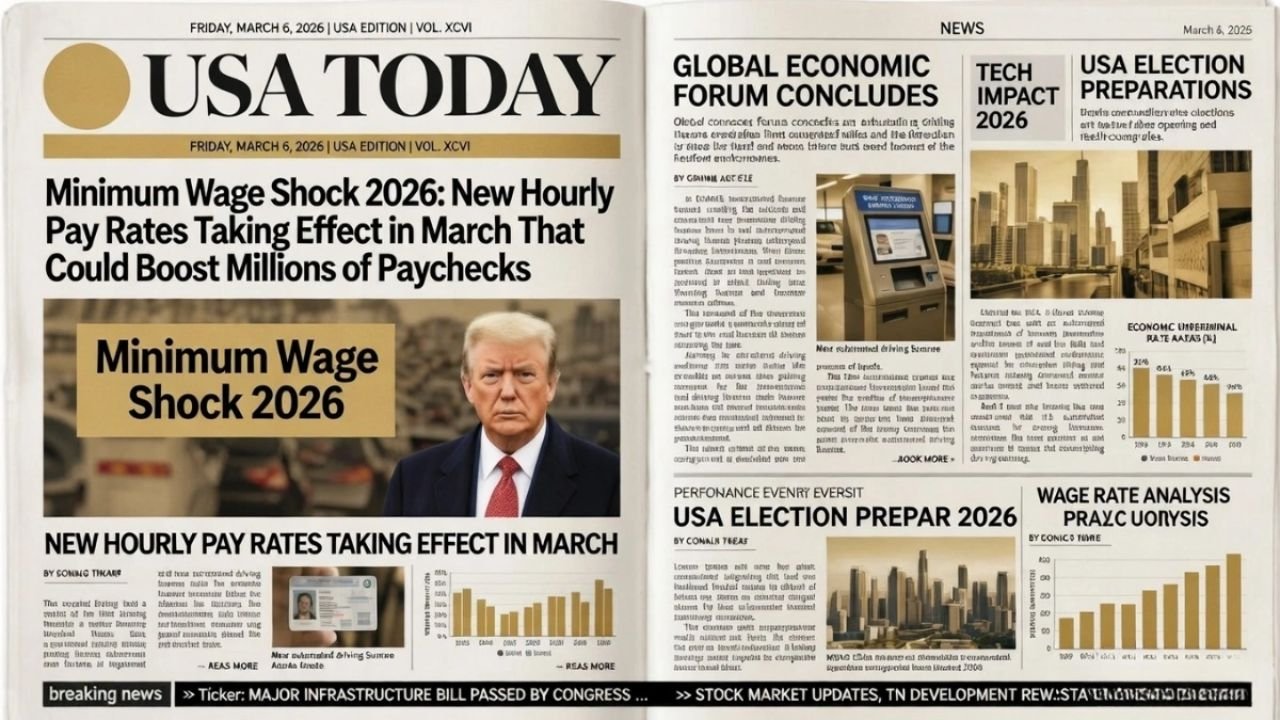
Starting March 2026, millions of American workers are poised to see higher hourly pay as several states implement updated minimum wage rates. With inflation and living costs continuing to rise, these adjustments aim to ensure fair compensation for workers across industries while helping households maintain their purchasing power.
While the federal minimum wage remains at $7.25 per hour, state and local governments are taking action to set higher standards. Employees in sectors such as retail, hospitality, and food service are among those most likely to benefit from these increases, which could have a significant impact on monthly earnings.
Why Minimum Wages Are Rising
Minimum wage adjustments are generally tied to inflation or pre-approved state legislation. Some states use automatic formulas that raise wages annually based on cost-of-living changes, ensuring that workers’ pay keeps pace with rising prices for essentials like housing, groceries, and transportation.
Higher wages can also stimulate economic growth by boosting consumer spending, which benefits local businesses and strengthens regional economies.
States Implementing New Minimum Wages
Several states have scheduled wage increases in 2026, reflecting local economic conditions and legislative priorities.
| State | Estimated Minimum Wage 2026 |
|---|---|
| California | Around $16.50 per hour |
| Washington | Around $16.28 per hour |
| New York | Approximately $16.00 per hour (varies by region) |
| Massachusetts | About $15.50 per hour |
| Florida | Around $14.00 per hour |

Exact rates may vary depending on employer size, city ordinances, and other local factors. Workers should confirm specific rates with their state labor department.
Who Benefits the Most
The wage increases primarily support entry-level and service-industry employees. Workers in restaurants, retail stores, hotels, and customer service roles are among the most likely to see a boost in pay.
Part-time employees, younger workers, and those in hourly positions may see the most noticeable improvements in their monthly income. Even modest hourly increases can add up significantly over a standard workweek.
Implications for Employers

For businesses, higher minimum wages bring both challenges and opportunities. Employers may need to adjust payroll budgets, pricing strategies, and staffing plans to accommodate increased labor costs.
However, higher wages can improve employee satisfaction, reduce turnover, and attract skilled workers in competitive markets. Balancing increased labor expenses with business sustainability remains a key focus for managers and policymakers alike.
Key Factors Shaping Minimum Wage Policy
Several considerations influence how states determine minimum wage adjustments:
- Cost of living and inflation trends
- Employment rates and local economic growth
- State legislation and voter-approved initiatives
- Labor market conditions within specific regions
- Industry-specific wage standards
These factors ensure that wage policies remain responsive to both workers’ needs and the broader economic landscape.
Preparing for the Change
Employees in states implementing new wage standards should expect their paychecks to reflect the updated rates starting in early 2026. Pay increases will depend on hours worked, and employers are required to adjust payroll systems to comply with the new legal minimums.
Staying informed about state announcements and labor department updates can help workers verify that they are receiving the correct wages.
Conclusion
The 2026 minimum wage increases mark a meaningful change for millions of U.S. workers, particularly in entry-level and service roles. By adjusting pay to reflect inflation and cost-of-living trends, state governments are helping employees maintain financial stability while promoting economic activity.
While the federal minimum wage remains static, state-level actions are shaping income standards and ensuring that workers receive compensation better aligned with current living costs. Both employees and employers benefit from understanding these updates and preparing for their impact on payroll and household budgets.