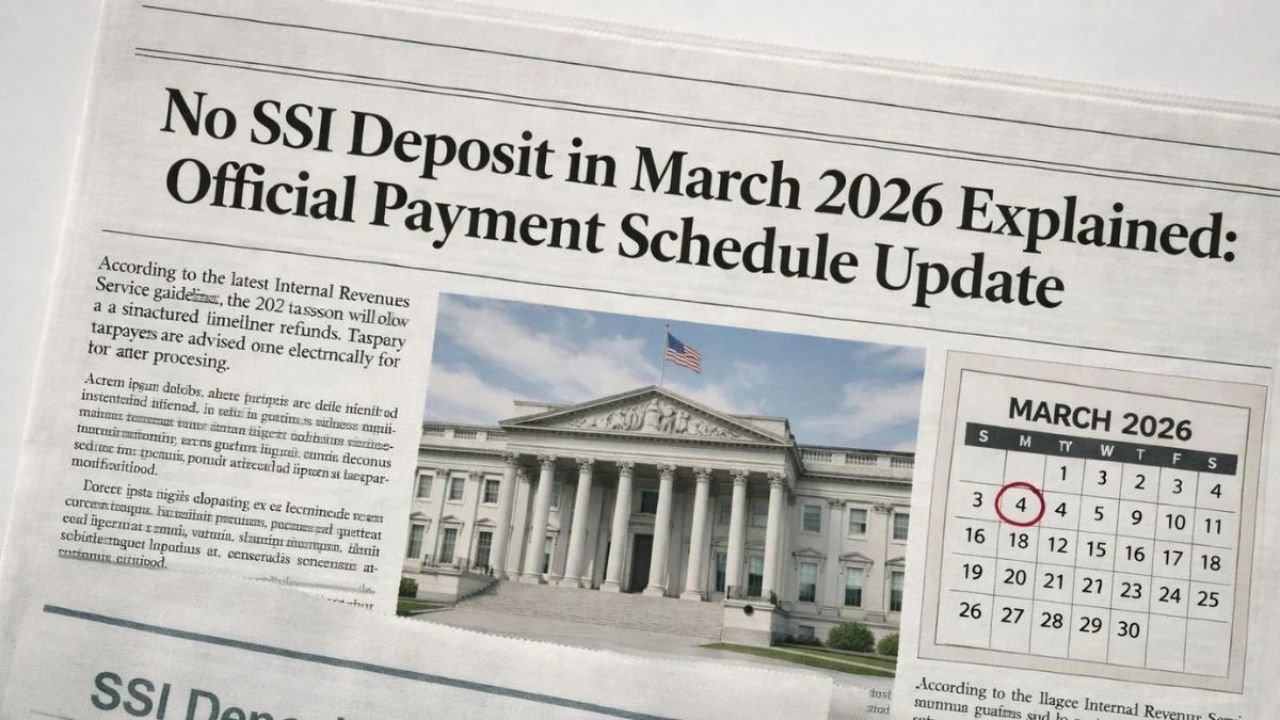
Some Supplemental Security Income recipients were surprised to see no deposit appearing in their bank accounts during March. For many, the absence of a payment raised immediate concerns about whether benefits had been delayed, reduced, or even stopped.
In reality, the situation is usually tied to how the federal payment calendar works. Monthly SSI benefits follow a fixed schedule managed by the Social Security Administration, and occasional calendar shifts can make it appear as if a payment is missing.

Understanding the official schedule helps explain why some beneficiaries may not see a new deposit during certain months even though their benefits remain unchanged.
Why a Payment Might Not Appear in March
Supplemental Security Income payments are typically issued on the first day of each month. However, when the first falls on a weekend or federal holiday, the payment is sent earlier—usually on the last working day of the previous month.
Because of this adjustment, the deposit intended for March may actually arrive in late February.
Example of How Early Payments Work
| Month of Benefit | Scheduled Date | Actual Deposit Date |
|---|---|---|
| February Payment | Feb 1 | Feb 1 |
| March Payment | Mar 1 (weekend/holiday) | Late February |
| April Payment | Apr 1 | Apr 1 |

When a payment arrives early, it can create the impression that one month has been skipped, even though the benefit has already been delivered.
Understanding the SSI Payment Calendar
The SSI program follows a predictable payment structure designed to ensure recipients receive funds without delays caused by weekends or public holidays.
Each year, the Social Security Administration publishes a detailed payment calendar so beneficiaries know exactly when deposits will be issued.
Standard SSI Payment Rules
| Rule | Explanation |
|---|---|
| Regular Payment Day | First day of each month |
| Weekend Adjustment | Payment issued the last business day before |
| Holiday Adjustment | Payment sent early to avoid delays |

These adjustments prevent disruptions to benefit distribution, especially for individuals who rely on SSI payments for essential expenses.
Does a Missing Deposit Mean Benefits Stopped?
In most cases, no. If a payment was issued early at the end of the previous month, there will simply be no additional deposit during the next month.
This scheduling shift does not affect the total amount of benefits received throughout the year.
However, if no payment was received either in the previous month or the expected early date, beneficiaries should review their account information and payment records.
Changes to banking details, eligibility reviews, or documentation requests can sometimes temporarily affect deposits.
Steps Beneficiaries Should Take
Anyone concerned about a missing payment should first check their bank statement for deposits made near the end of the previous month. Many recipients overlook the early payment because it appears earlier than expected.
Beneficiaries can also log in to their personal account on the Social Security website to review their payment history.
Quick Checklist for Reviewing Payments
| Step | Action |
|---|---|
| Review Bank Statement | Look for deposits near the end of the previous month |
| Check Online Account | Confirm payment status in SSA records |
| Verify Bank Details | Ensure account information is accurate |
| Contact SSA if Needed | Reach out if no payment appears in records |
Taking these steps usually clarifies whether the deposit was issued earlier than usual.
Avoiding Confusion in Future Months
The easiest way to stay informed about benefit payments is to review the official SSI calendar at the beginning of each year.
Marking months when early payments occur can help beneficiaries understand when deposits will arrive and avoid unnecessary worry.
It is also helpful to remember that receiving two deposits in one month does not mean extra benefits—it simply reflects a payment issued early for the following month.
Final Takeaway
The absence of a new SSI deposit during certain months is typically the result of scheduling adjustments rather than any change in benefits. When the first day of the month falls on a weekend or holiday, payments are issued earlier to ensure recipients receive their funds on time.
For most beneficiaries, the March payment was simply delivered in advance during the final days of February. Checking payment history and staying familiar with the official calendar can prevent confusion and help ensure benefits continue without interruption.