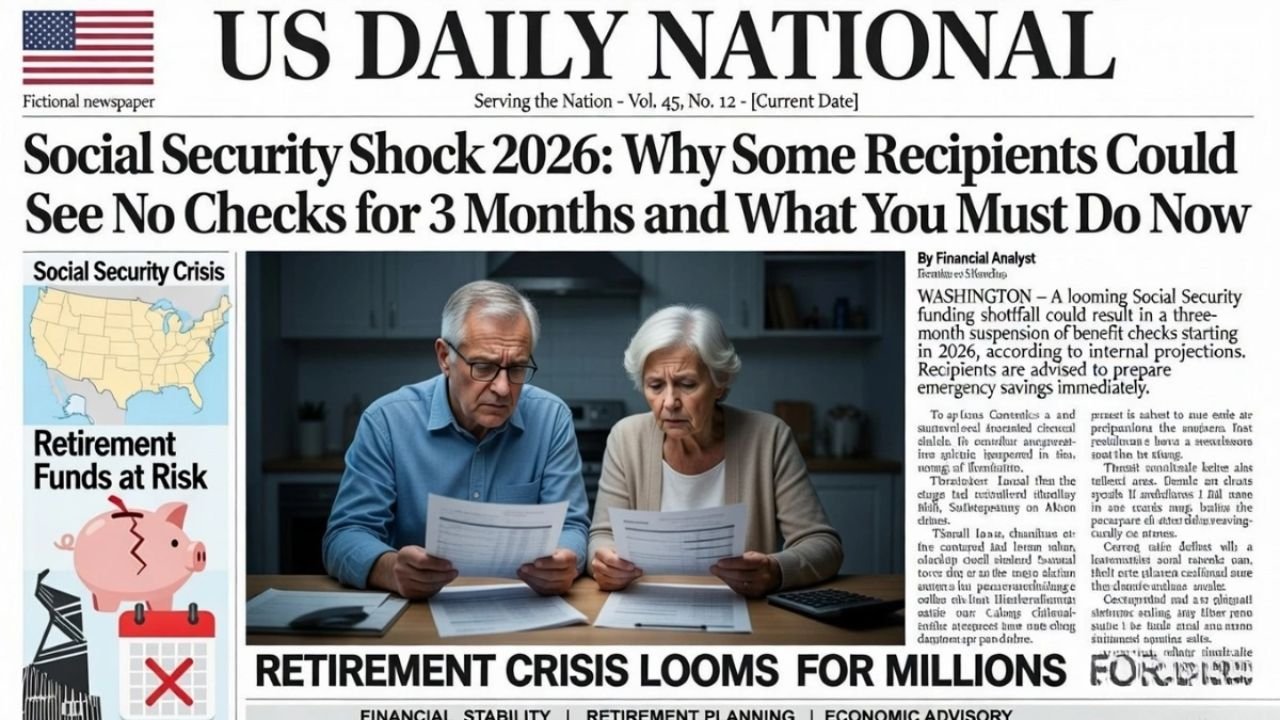
A new Social Security update is causing concern as reports indicate that some beneficiaries could see payments temporarily paused for up to three months in 2026. While this does not mean benefits are canceled, certain administrative rules and eligibility checks can trigger short-term suspensions. For individuals relying on these funds for daily expenses, understanding the reasons behind these pauses is essential to prevent unexpected financial gaps.
Even brief interruptions can create significant challenges for households dependent on Social Security, making it crucial to know what triggers them and how to respond quickly.
Why Some Social Security Payments May Pause

Temporary payment suspensions generally occur due to compliance reviews, income limits, or periodic eligibility redeterminations. The Social Security Administration (SSA) routinely verifies that recipients still meet program requirements. Increased enforcement in 2026 may result in more frequent reviews, particularly if documentation is missing or earnings exceed set thresholds.
These suspensions are most common among recipients of Supplemental Security Income (SSI), early retirees who continue working, and disability beneficiaries subject to continuing eligibility checks.
Earnings Limits for Early Retirees
Individuals claiming Social Security before reaching full retirement age must adhere to annual earnings limits. Exceeding these thresholds can lead to temporary withholding of benefits until overpayments are recovered. In some cases, several months’ worth of payments may be paused to adjust for excess earnings, creating the impression of multiple missed checks.
SSI Redetermination Reviews

SSI recipients face strict income and asset requirements. Periodic redeterminations confirm that beneficiaries remain eligible. If updated financial information is not submitted promptly, payments may stop until the review is completed. Resolution times vary but can extend from weeks to months depending on processing.
Continuing Disability Reviews
Recipients of Social Security Disability Insurance (SSDI) may undergo Continuing Disability Reviews to ensure ongoing eligibility. Payments may be paused if required medical documentation is delayed. Once eligibility is reconfirmed, benefits typically resume without further interruption.
Common Causes of Temporary Payment Pauses
| Reason for Suspension | Who Is Most Affected | Typical Resolution Time |
|---|---|---|
| Earnings above annual limit | Early retirees under full retirement age | 1–3 months |
| SSI income or asset changes | SSI recipients | 1–2 months |
| Disability review pending | SSDI beneficiaries | Varies by case |
| Missing documentation | All benefit categories | Until documents received |
These pauses are administrative, not permanent cancellations.
How to Avoid Interruptions

Beneficiaries can reduce the likelihood of a payment gap by staying proactive:
- Update contact and banking information with the SSA
- Respond promptly to notices requesting documentation
- Report income or asset changes immediately
- Monitor benefits online through an SSA account to track status and alerts
If a payment is delayed, contacting the SSA quickly can help identify the reason and expedite resolution.
What Happens When Payments Resume
Once the underlying issue is resolved, payments usually resume automatically. If funds were temporarily withheld due to administrative errors, back pay may be issued. However, if earnings truly exceeded limits, withheld amounts may not be fully restored, as reductions are mandated by law. Understanding the difference between temporary administrative pauses and lawful reductions is key to financial planning.
Conclusion
While reports of up to three months without Social Security checks may sound alarming, most interruptions are tied to earnings limits, redeterminations, or missing documentation. The 2026 updates may increase the likelihood of short-term pauses, but timely response and proactive monitoring can prevent extended gaps. Beneficiaries who stay informed and maintain updated records can ensure continuity of their payments and avoid unexpected financial stress.