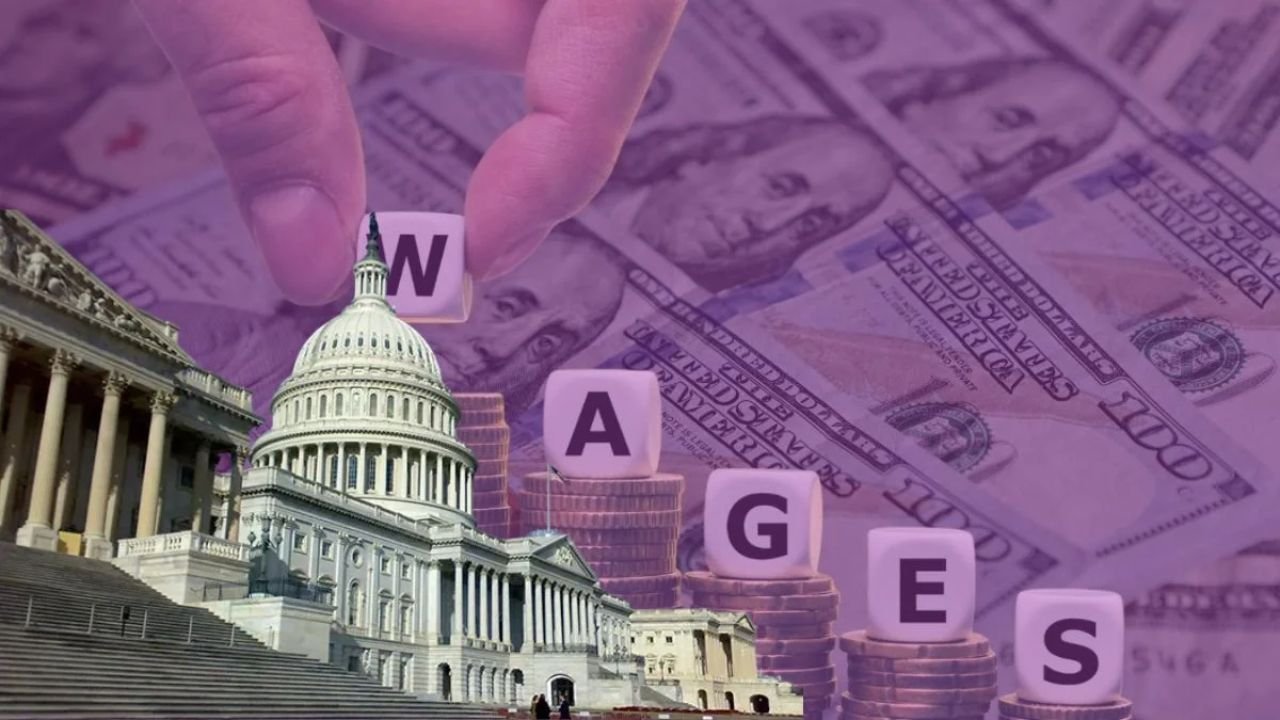
A major wage policy shift is rolling out across the United States as new minimum pay standards begin taking effect this March. The update arrives at a time when rising housing costs, food prices, and transportation expenses are putting pressure on household budgets across the country.
For millions of workers in entry-level and service-sector jobs, the change represents more than a routine adjustment. Higher hourly wages could reshape spending habits, improve financial stability for many households, and influence how businesses plan their labor strategies in the months ahead.

Several states are introducing higher minimum pay levels above the long-standing federal baseline, signaling a broader effort to align wages with today’s economic realities.
Why the Wage Adjustment Is Gaining Attention
Minimum wage policy has always been closely tied to economic conditions. With inflation affecting daily expenses, lawmakers and labor advocates have pushed for updates that better reflect modern living costs.
The latest wage increases aim to narrow the gap between low-income earnings and the actual cost of basic necessities. For many workers, the updated pay structure could provide a stronger financial foundation.
Beyond individual earnings, policymakers believe the move may also support local economies by increasing consumer spending.
Updated Hourly Pay Levels Rolling Out
The new wage adjustments differ by state and municipality, as each region sets its own standards above the federal rate. Some states have introduced moderate increases, while others are implementing larger jumps designed to keep pace with regional living costs.
Example of Updated Minimum Wage Levels
| State / Region | Previous Hourly Wage | New Hourly Wage | Change |
|---|---|---|---|
| California | $16.00 | $17.00 | +$1.00 |
| Washington | $16.28 | $17.25 | +$0.97 |
| New York | $15.00 | $16.00 | +$1.00 |
| Florida | $12.00 | $13.00 | +$1.00 |
| Illinois | $14.00 | $15.00 | +$1.00 |
Actual wage levels vary by city and local legislation.

These adjustments place several states well above the federal minimum wage, which has remained unchanged for more than a decade.
How Workers and Families Could Benefit
Higher hourly wages can significantly affect workers in industries such as hospitality, retail, food service, caregiving, and transportation support services.
For employees who rely on hourly pay, even a small increase can translate into meaningful monthly income improvements. That additional income may help cover rent, groceries, healthcare costs, or commuting expenses.
Financial analysts also note that wage growth often boosts employee morale. Workers who feel fairly compensated tend to demonstrate higher productivity and stronger job satisfaction.
For families managing tight budgets, the additional earnings could provide a small but important financial cushion.
Business Response to Rising Labor Costs
Employers across the country are preparing for the impact of higher payroll expenses. While large corporations may have greater flexibility, smaller businesses are reviewing budgets and workforce plans carefully.
Some companies are adjusting staffing schedules, investing in productivity tools, or gradually updating pricing strategies to offset higher labor costs.
At the same time, many business leaders recognize that better wages can help attract and retain employees in competitive job markets.
Stronger employee retention often reduces recruitment and training costs over time.
Broader Economic Effects
Economists are closely watching how the wage changes influence the national economy. Increased earnings typically give workers more purchasing power, which can stimulate local businesses and service industries.
When households spend more on everyday goods and services, that spending can circulate through local economies and support small businesses.
However, some analysts caution that higher labor costs may also contribute to price adjustments in certain sectors. The balance between stronger wages and price stability will likely become clearer over the coming months.
What This Means for the Workforce
The latest minimum wage adjustments mark an important moment in the ongoing discussion about fair pay in the United States. With millions of workers affected by the new rates, the change has the potential to influence household finances, business operations, and local economic activity.
For employees earning at or near the minimum wage, the updated pay scale offers long-awaited relief and a step toward improved financial security.
As the labor market continues to evolve, wage policies like these will remain a key factor shaping the future of work in America.